




Foaming Silicone Operation Guide: Uniform Foaming, No Sticking & Higher Yield
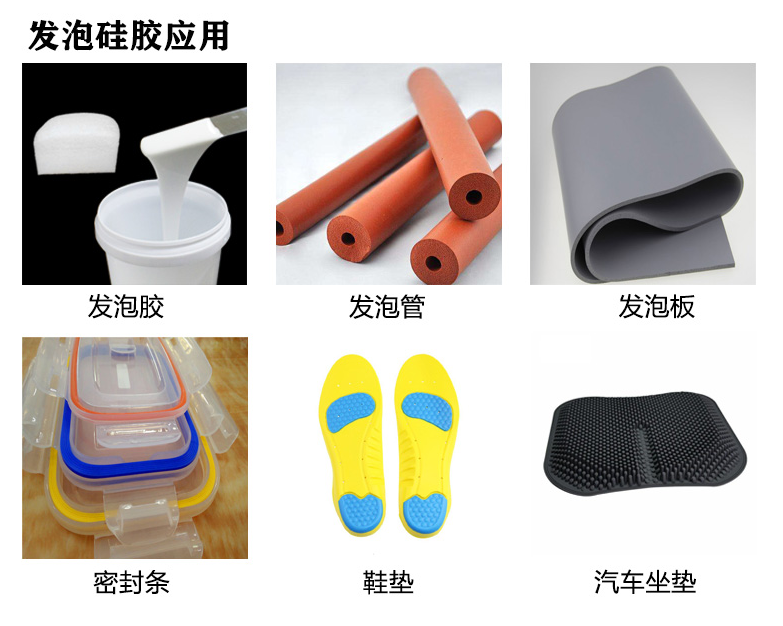
Foaming silicone features outstanding elasticity, temperature resistance and lightweight properties, widely adopted for mold making, buffer packaging, sealing and filling. Improper operation easily causes uneven foaming and mold sticking. This professional guide helps you standardize operations and maximize silicone performance for stable, high-quality outputs.
1. Precise Proportion & Stirring (Core of Uniform Foaming)
Strict 1:1 Mixing Ratio Mix A and B components at an accurate 1:1 weight ratio within ±1% tolerance. Any ratio deviation will lead to defective curing and irregular foam pores.
Timed Constant-Speed Stirring Stir mechanically for a fixed 120 seconds. Stable stirring speed ensures consistent pore structure. Fast stirring traps extra air bubbles, while slow stirring creates coarse, uneven pores.
Fast In-Mold Operation Finish pouring and molding within5 minutes after mixing to avoid pre-foaming and reduced fluidity in the container.
2. Two Solutions to Eliminate Surface Tackiness
Minor surface stickiness after foaming is normal and removable with two efficient methods:
Solution 1: Post-Curing Baking Bake finished parts at 50°C for 30 minutes to accelerate surface cross-linking and eliminate surface tack completely.
Solution 2: Sealed Foaming Process Reserve vent holes on sealed molds. Internal pressure promotes full chemical reaction for low-tack products right after demolding.
3. Anti-Stick Demolding Skills
General Rule Apply release agent (oil-based type recommended) on all molds (silicone, resin, metal) in advance for smooth, complete demolding.
Metal Mold Optimization Adopt Teflon coating for metal molds. It delivers high temperature resistance and long-lasting anti-stick performance, perfect for mass production.
4. Process Optimization Tips
Working Environment: Operate at 25–50°C with humidity below 60% to avoid moisture-induced foaming defects.
Mold Design: Add sufficient vent channels for complex molds to prevent air accumulation and uneven foaming.
Batch Production: Conduct small-batch sample tests first to confirm foaming ratio and curing time before formal mass production.
Final Takeaway
Standardized operations effectively boost yield and stabilize the performance of foaming silicone. These steps deliver products with uniform pores and smooth surfaces for both industrial precision parts and DIY applications.
Contact Jiajinghong for professional technical support and customized solutions. We provide premium silicone materials and full-process technical guidance for your production.
Productos relacionados


Building H3, Shenye Zilinshan, Shengping Community, Longcheng Street, Longgang District, Shenzhen


Request Quote
