




Key Differences Between Condensation Silicone and Addition Silicone
Key Differences Between Condensation Silicone and Addition Silicone
The core difference between condensation silicone and addition silicone lies in their curing principles, which directly lead to variations in their properties and applications. Understanding these differences helps you choose the right silicone for your specific needs.
Fundamental Difference: Curing Principle
Condensation Silicone: Cures through a reaction with moisture in the air. This process releases small-molecule by-products such as ethanol (alcohol) or acetic acid, resulting in a noticeable odor during curing and visible shrinkage.
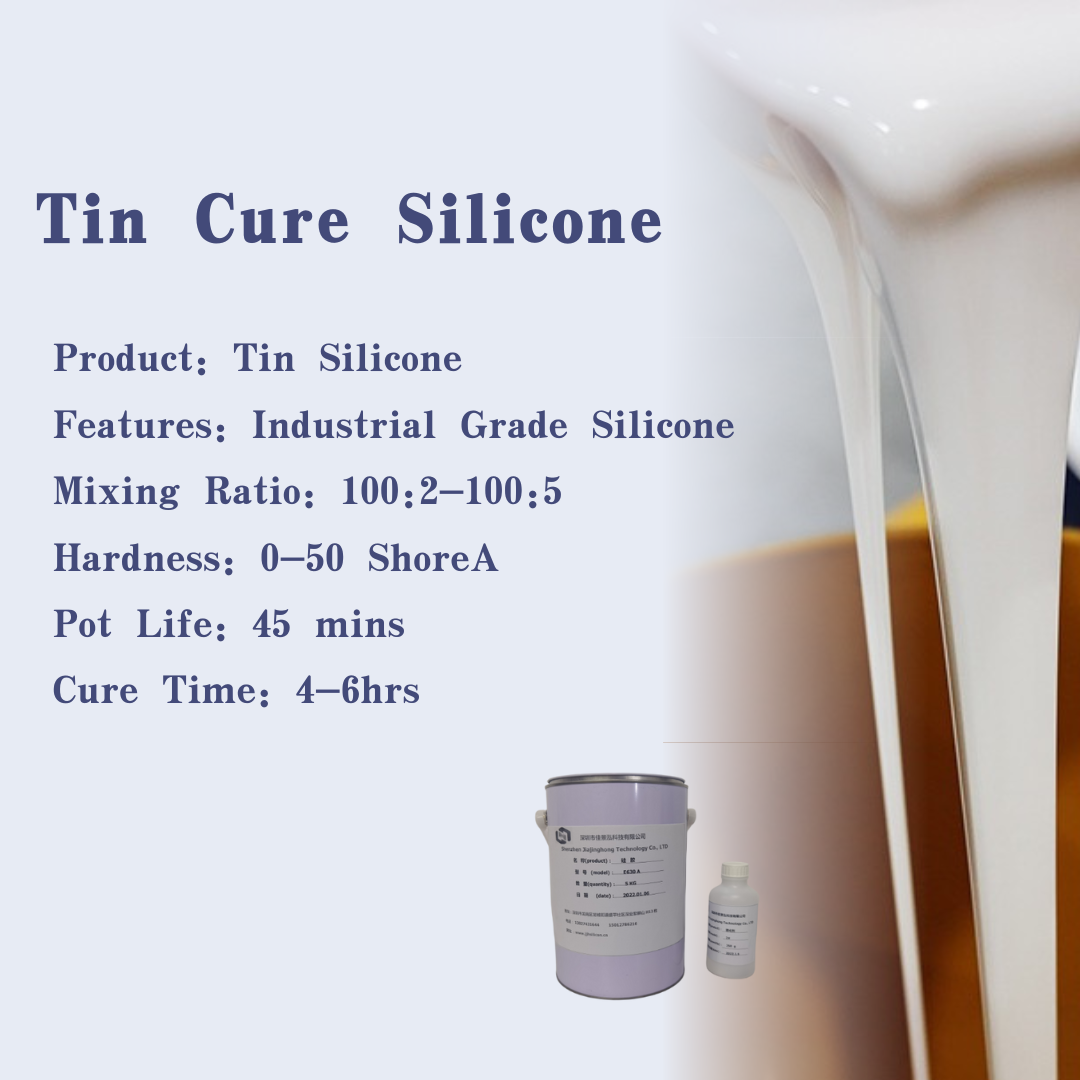
Addition Silicone: Relies on a platinum catalyst to enable a direct addition reaction between the internal components of the silicone. No small-molecule by-products are generated during this process, so it is almost odorless and shrink-free.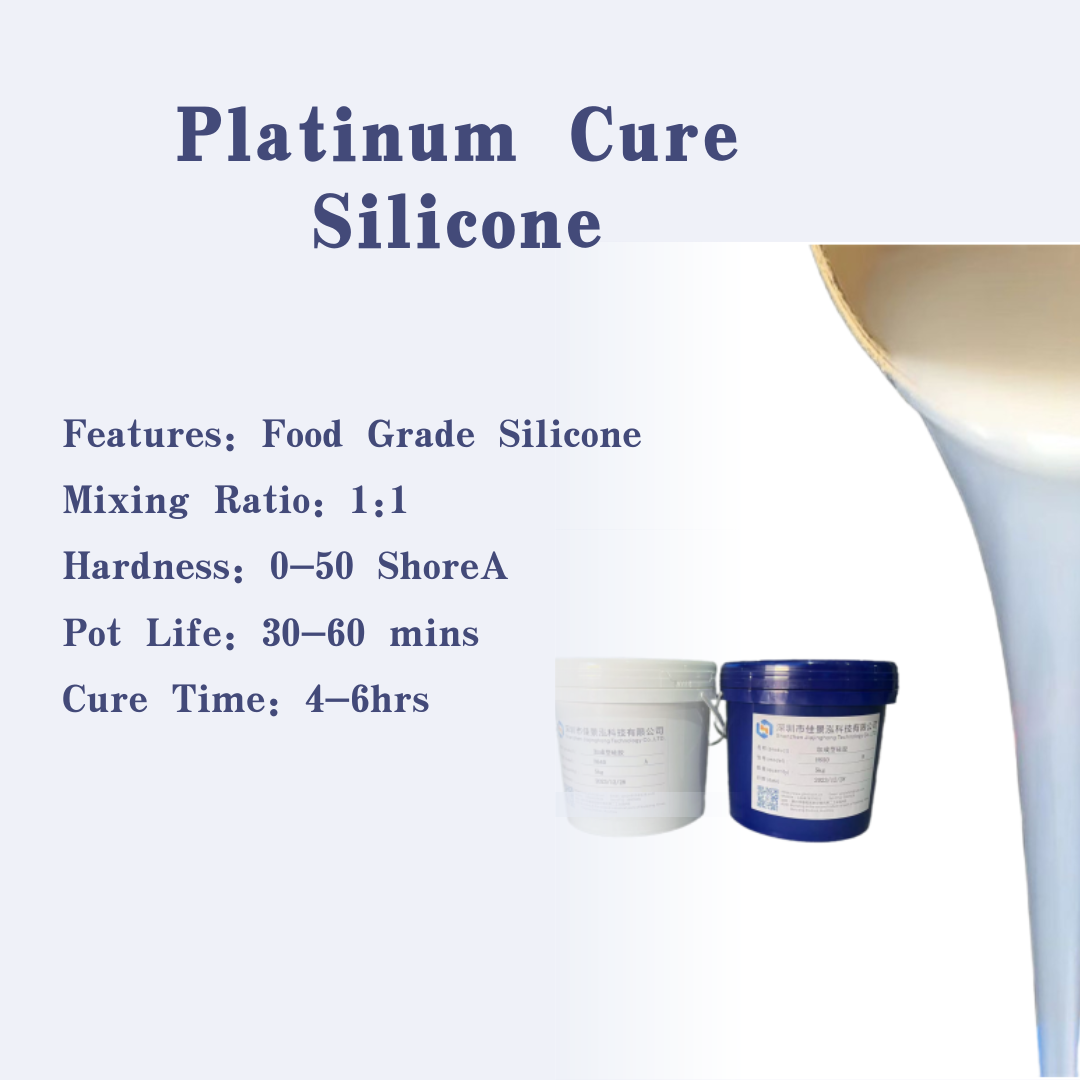
Specific Distinguishing Features
Based on the above curing principles, you can distinguish the two types through the following key points:
1. Odor
Condensation Silicone: A distinct alcohol or acetic acid odor is usually noticeable during curing, especially in poorly ventilated environments.
Addition Silicone: Almost no irritating odor from mixing to full curing, making it environmentally friendly and non-toxic.
2. Shrinkage Rate
Condensation Silicone: Significant shrinkage occurs after curing. Molds or products made with it will be slightly smaller than the original mold, which may affect precision.
Addition Silicone: Extremely low shrinkage rate (usually less than 0.1%) and excellent dimensional stability, making it suitable for high-precision replication and mold making.
3. Appearance & Touch
Condensation Silicone: Generally has average transparency after curing, and the touch may be relatively hard or brittle.
Addition Silicone: Usually has higher transparency, a softer and more elastic texture, and better tear resistance.
4. Typical Applications
Condensation Silicone: Commonly used in fields with low requirements for precision and environmental protection, such as architectural sealing, electronic potting, and the production of ordinary gypsum molds.
Addition Silicone: Widely applied in high-demand scenarios, including food-grade molds (e.g., fondant and chocolate molds), human body silicone products, and the replication of precision industrial parts.
Choose the right silicone based on your project requirements: opt for condensation silicone for cost-effective, general-purpose applications, and addition silicone for high-precision, eco-friendly, and high-performance needs.
Productos relacionados

Building H3, Shenye Zilinshan, Shengping Community, Longcheng Street, Longgang District, Shenzhen


Request Quote
